
Quick answer: A semicolon tattoo means “my story isn’t over.” In writing, a semicolon sits exactly where a sentence could have ended — and the author looked at that full stop, thought about it, and kept writing anyway. On skin, it means survival. Hope. Choosing to stay for the next chapter when the current one nearly finished you — through depression, anxiety, addiction, grief, whatever it was. It’s one of the smallest tattoos on earth. Don’t let the size fool you.
Most tattoos get picked because they look good. This one gets picked because it says something.
I’ve spent the better part of a decade around tattoo studios — watching people get inked, hearing why — and I can spot a semicolon across a room now. They’re everywhere. Wrists, mostly. Behind ears. Collarbones, ankles, the side of a finger. Nearly always small, nearly always plain black, and every single one of them is quietly saying the same thing: I hit a full stop once. I chose the semicolon.
So here’s everything, and I mean everything: what the semicolon tattoo actually means, the true story of the woman who started it, what each design variation is really saying (yes, including the butterfly everyone’s asking about), where to put it, how much it hurts, what you’ll pay, how it heals, and the mistakes I’ve seen people make with this tiny tattoo so you don’t repeat them. Thinking of getting one? Got a friend who has one? Just keep seeing it everywhere and wondering? Pull up a chair.
What Does a Semicolon Tattoo Mean?
Okay. Tiny grammar lesson first — thirty seconds, tops, and I swear it matters.
A full stop ends a sentence. Done. Finished. Nothing after it. A semicolon does something sneakier: it joins two complete thoughts that could each have stood on their own, and it tells the reader pause here… but we’re not finished. The author had the full stop right there. Could’ve used it. Didn’t.
Now lift that off the page and put it on a life.
A semicolon tattoo marks the spot where a story could have ended — depression, anxiety, addiction, self-harm, an eating disorder, trauma, grief, one terrible night — and didn’t. It’s punctuation, worn permanently, that says the sentence goes on. That’s the whole meaning, and honestly? It’s enough. But like anything people carry on their skin for years, it’s gathered layers. Different wearers hold different ones closest, and after hearing a lot of these stories, I’d break it down like this:
1. Survival
The private one. The layer underneath all the others. I went through something that could have ended me, and I’m still standing here. A client once described hers to me as “a trophy nobody can take out of a drawer and throw away.” That stuck with me. It’s ink as evidence — proof of the hardest thing a person ever did, which was staying.
2. Hope
A medal lives in a drawer. A tattoo lives on your wrist while you’re washing dishes on the worst Tuesday of your year. People tell me they glance down at it on the bad days the way you’d reread a note from someone who believes in you. Does it fix anything? No. Does it remind? Every single time. And some days a reminder is the exact tool you need.
3. Solidarity
Here’s something you only learn by watching it happen: the semicolon works like a secret handshake. Two strangers spot each other’s, and there’s this nod. No speech. No explaining your medical history to a barista. Just — me too. I get it. Keep going. Real friendships have started off one dot and one comma. I’ve seen it.
4. Remembrance
Not everyone wearing a semicolon fought their own fight. Plenty of people get one for somebody who lost theirs — a dad, a sister, a best friend from school. Then the meaning flips into a promise: your story isn’t over either, because it’s still running in me. Memorial semicolons are some of the quietest, heaviest tattoos an artist ever gets asked to do.
5. Support and advocacy
And then there are the loud ones — deliberately visible, worn like a flag. Every “hey, what does your tattoo mean?” becomes a chance to say it’s okay to not be okay out loud, in public, where the stigma can hear it. Teachers wear these. Nurses wear these. People who are done whispering about mental health wear these.
One rule, though, and I’ll die on this hill: nobody owes you their story. You don’t need a dramatic biography to wear this tattoo, and if someone’s got one, “what’s it for?” is a question you’re not entitled to an answer to. The meaning belongs to the person whose skin it’s on. (Full stop very much intended.)
The Story Behind It: Project Semicolon
Most people assume this started in a tattoo studio. It didn’t. It started with a grieving daughter at a kitchen table.
In 2013, Amy Bleuel founded Project Semicolon — a movement for mental health awareness and suicide prevention — in honour of her father, who had died by suicide. And Amy wasn’t speaking from the outside looking in. She’d lived through abuse, depression and suicidal thoughts herself. She knew exactly how heavy it gets, and she wanted one symbol that could say, at a glance, the thing people in pain so often can’t get out of their mouths.
She picked the semicolon. Her explanation of why has been quoted so many times it’s practically scripture now:
“A semicolon is used when an author could’ve chosen to end their sentence, but chose not to. The author is you, and the sentence is your life.”
It began humbly enough. Draw a semicolon on yourself. Take a photo. Share it. That was the whole idea — and it exploded. Thousands of photos. Wrists and forearms everywhere you looked online. Then the thing nobody planned for: people stopped drawing them in pen and started asking for them in ink. A washable doodle turned into a permanent declaration, and studios had to learn fast what “the semicolon” meant.
Amy died in 2017. There’s no gentle way to write that sentence, and the community she built felt it like a blow. But by then the symbol had already escaped into the wild, and it just kept travelling — walk into a studio in Los Angeles or Lahore today, say “I want the semicolon,” and they’ll know. They’ll know exactly. What’s remarkable is that it never became a brand or a fad logo. It’s still what it was on day one: a grassroots emblem of hope, started by an ordinary person, carried by millions of other ordinary people.
So when you spot one out in the world, understand what you’re looking at. It’s not fashion. It’s closer to a flag.
Semicolon Tattoo Designs — and What Each One Says
Right — designs. Because the plain little mark is only where people start.
Over the last ten years the semicolon has been married to hearts, wings, flowers, arrows, whole words, you name it. And here’s the thing people miss: bolting something onto the semicolon doesn’t just decorate it, it changes the sentence. I think of the semicolon as the message and the add-ons as the tone of voice — same words, different delivery. These are the versions studios get asked for most, with an honest translation of what each one is actually saying.
The Plain Semicolon
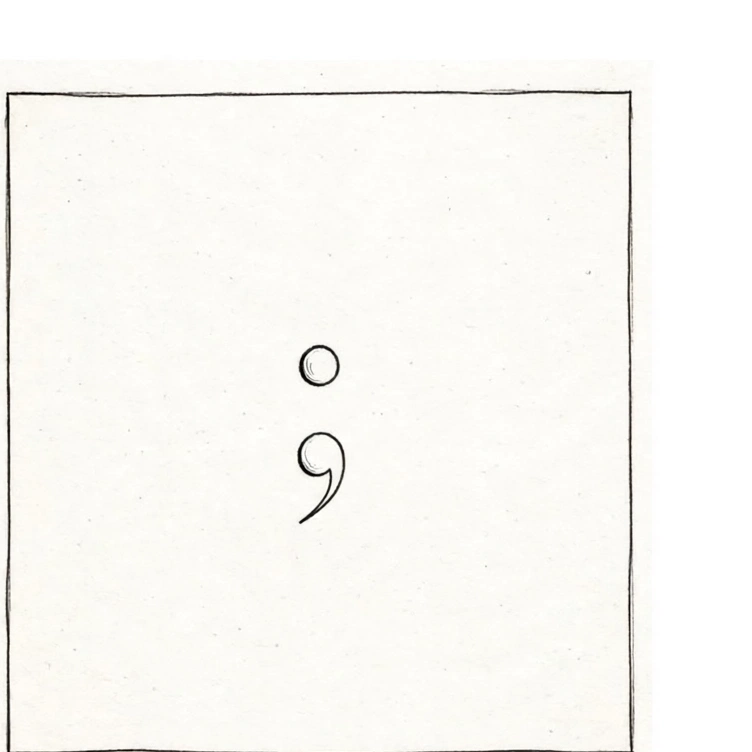
Two marks. A dot, a comma, nothing else to hide behind.
This is the original, and it remains the most common version by a mile — the choice of people who want the message completely undecorated. Its power is restraint. It doesn’t explain itself, it doesn’t perform for anyone, it just sits there and states a fact. You can wear it tiny (half a centimetre, genuinely) or a touch bolder, on almost any patch of skin you own, in a single needle line or chunky dotwork. If you want the tattoo equivalent of somebody speaking very quietly while saying something enormous — this is your design.
The Semicolon Butterfly Tattoo
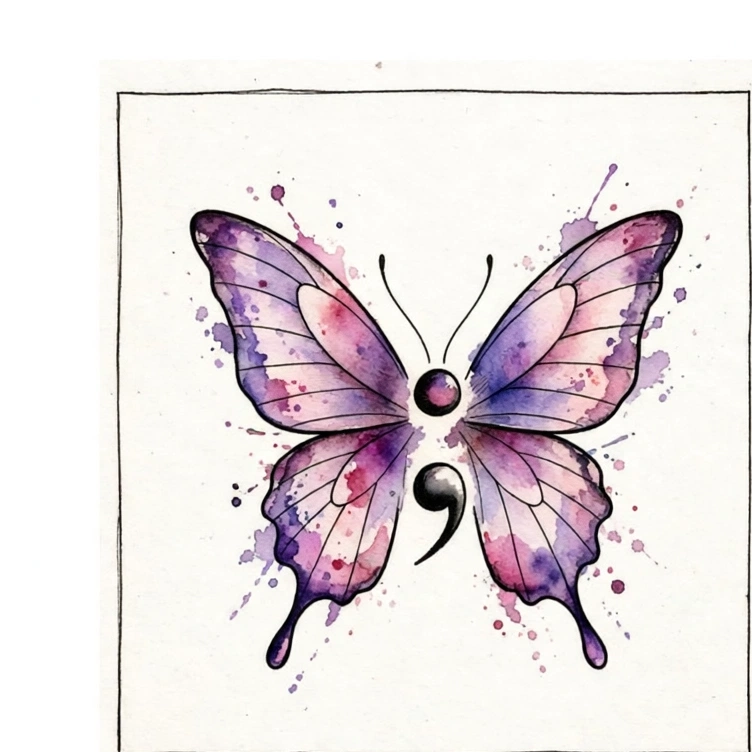
Ask any artist which variation they’re drawing most lately and watch them smile. It’s this one. Our readers ask about it more than everything else combined, and having seen hundreds of them healed, I get why — it fuses two of the most loaded symbols in all of tattooing into one small picture.
Start with the butterfly. Transformation — total, not cosmetic. Before the wings, the caterpillar doesn’t just grow a bit inside the chrysalis; it basically dissolves and rebuilds itself into a different animal. Humans clocked that symbolism thousands of years before tattoo machines existed: in ancient Greek, the word psyche meant both “butterfly” and “soul.” Sit with that for a second.
Then the semicolon: the pause that refused to be an ending. In this design it usually forms the butterfly’s body — the spine the wings grow out of — though some artists tuck it inside a wing where only the wearer knows to look.
Put them together and the message gets a second storey. The plain semicolon says my story continued. The butterfly says my story continued — and the thing that nearly ended me transformed me into someone new. Survival plus growth. The wound and the wings in a single design. That’s not a small statement for something the size of a postage stamp.
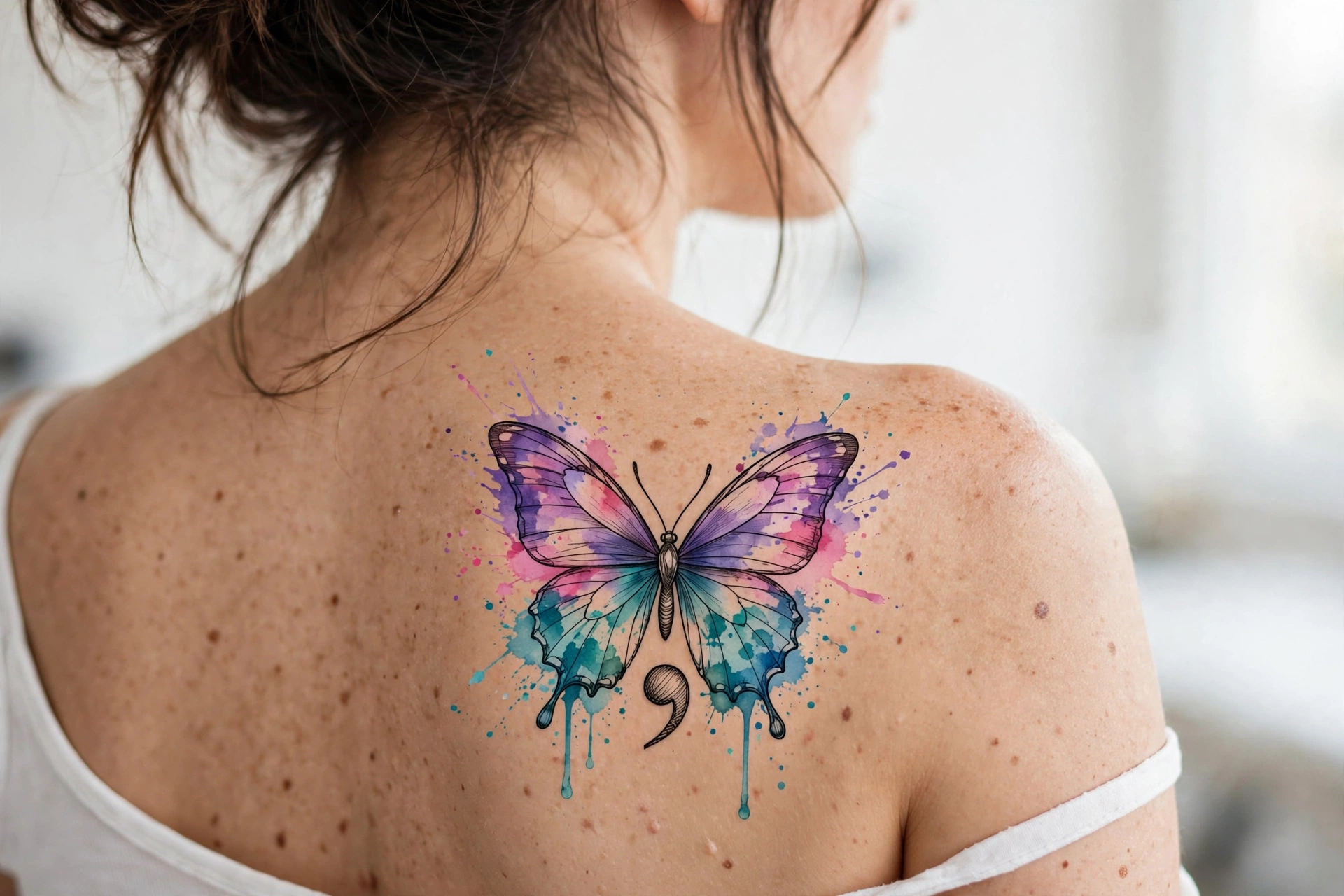
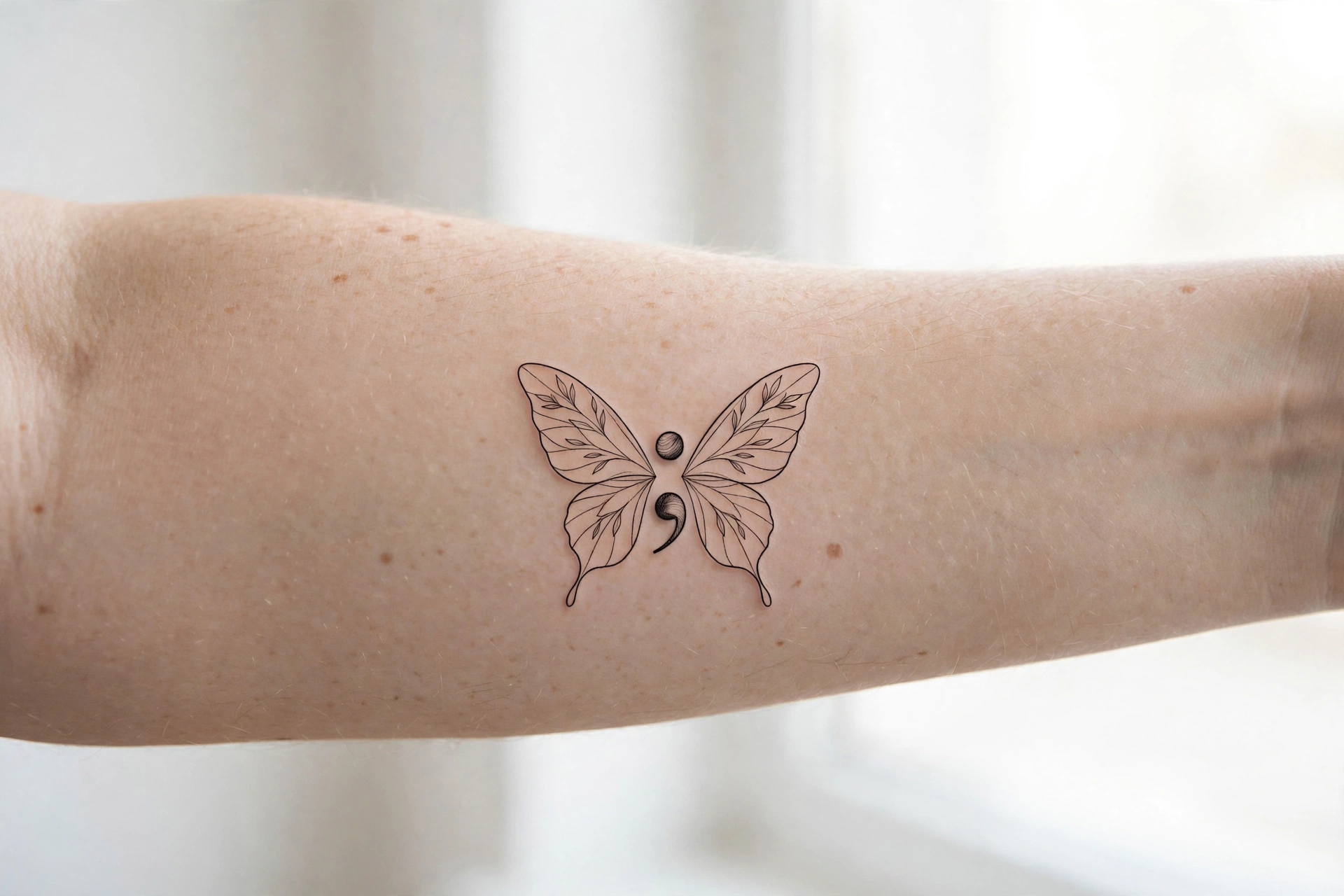
You’ll mostly see it in two styles. Fine line: wings traced in delicate black, sometimes with tiny botanical details worked into them — that’s the forearm piece at the top of this page — and the effect is almost jewellery-like. Or watercolor, where the wings bloom out in colour, purple and pink more than anything, like a life going vivid again. There’s also a beloved third route, the monarch, all orange and black, carrying its own meanings about endurance and migration — flying a very long way home. (That one gets me every time.)
Who picks it? In my experience, people marking the far side of something. Recovery anniversaries. The end of treatment. The first birthday after a loss that they actually felt like celebrating. The plain semicolon is for saying you survived; the butterfly is for saying you became.
Semicolon With a Heart
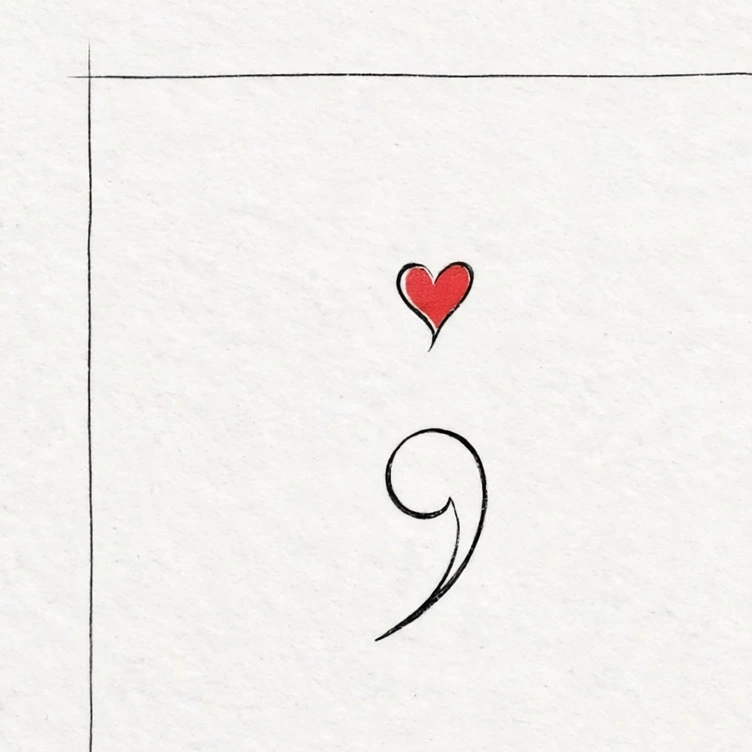
Swap the dot for a heart and love walks into the sentence.
Sometimes that love points inward — self-love, usually learned the hard way, the slow business of getting on your own side. More often, if I’m honest, there’s a person behind it. The friend who picked up the phone at 3 a.m. The partner who stayed through the whole ugly middle. Or someone who’s gone now and is loved anyway, still. It’s a tiny design with a dedication hidden inside it, and half the time even the artist doesn’t get told whose name is folded in there. That’s fine. That’s how it should be.
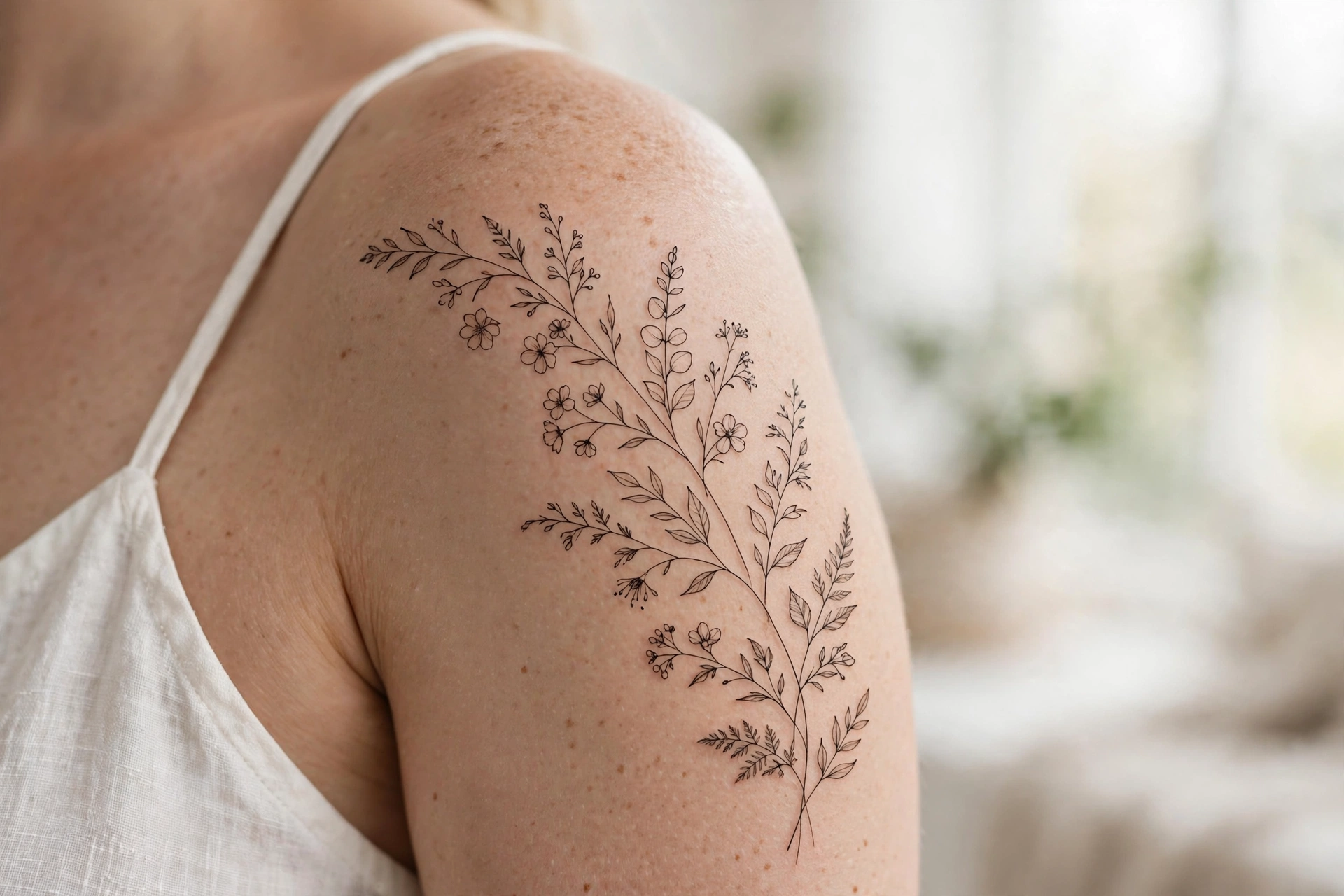
Semicolon With Flowers or Leaves
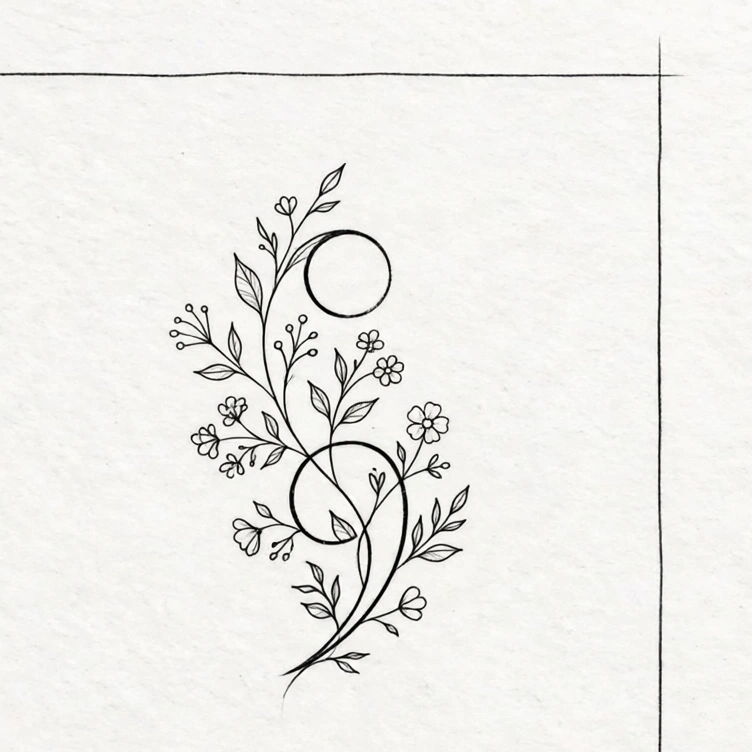
Here the semicolon turns into a stem. Roses climb out of it, lavender, wildflowers, simple green leaves — and the meaning grows right along with the drawing: healing, renewal, life insisting on itself. Anyone who gardens gets this symbol in their bones. Stuff that looked completely finished in February is somehow back in April. This version is softer than the plain mark, more decorative, hugely popular in fine-line floral work, and it pairs beautifully with birth flowers if you want to smuggle in a personal layer nobody else will decode.
Semicolon With an Arrow
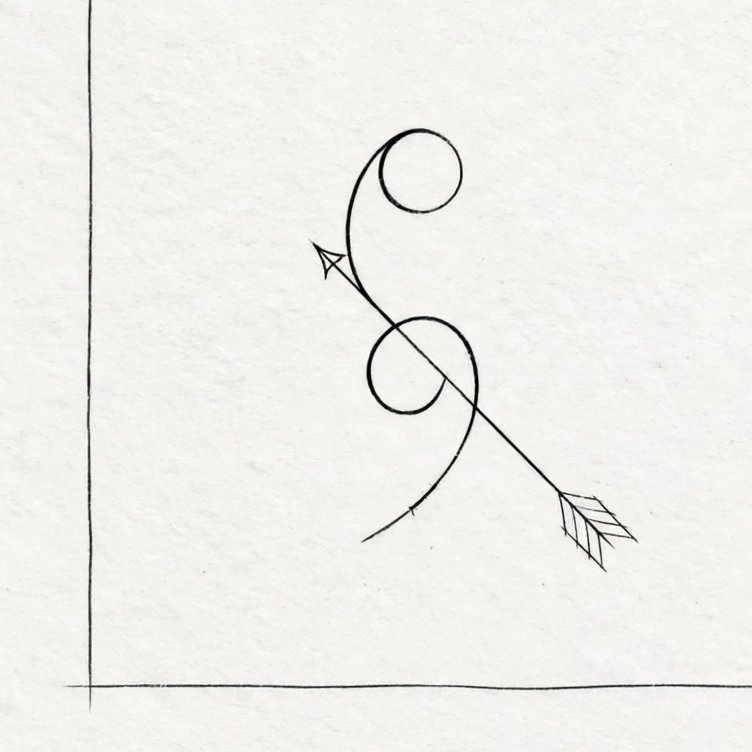
The arrow is where direction shows up. On its own the semicolon says the story continues; run it into an arrow and it says and it is going somewhere. There’s a reason this one’s the comeback tattoo — an arrow only flies forward after it’s been pulled backwards first. Wearers love that metaphor, and they’re right to. New career, new city, a life rebuilt deliberately after the old one collapsed: this is the design I see chosen for those chapters, again and again.
Semicolon With a Word
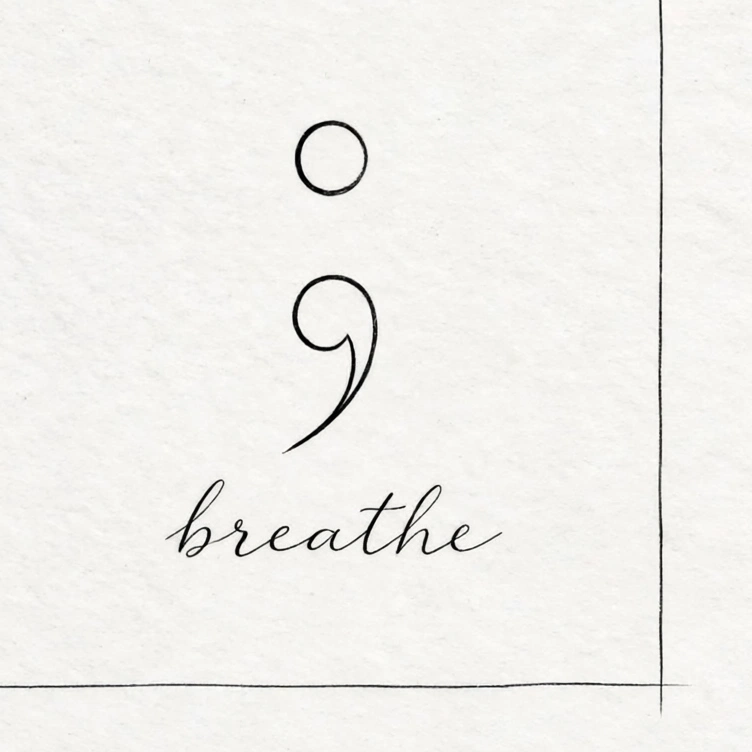
Breathe. Continue. Warrior. Still here. One word next to the mark turns a universal symbol into a private instruction — basically a note to self, written in ink, in handwriting-style script. Sometimes the semicolon replaces a letter in the word; sometimes it floats above it like a title. And some of my favourite pieces use a word in the wearer’s mother tongue instead of English. Think about that: a symbol the whole planet understands, carrying a word only your own world does. Beautiful, that.
Semicolon With a Lotus
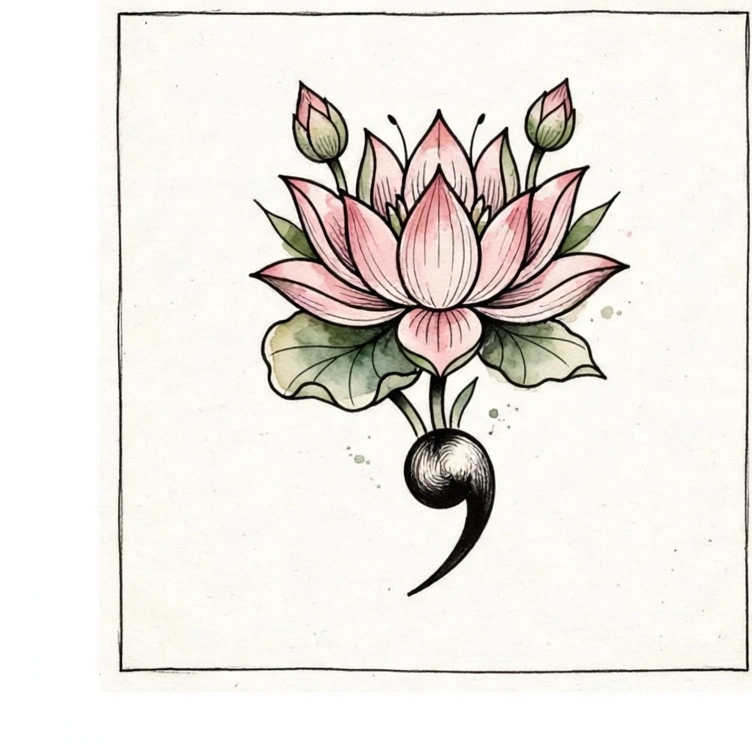
You probably know the lotus’s story even if you’ve never thought about it: it roots in muddy water and blooms spotless above the surface. That’s exactly why Asia has used it as a symbol of purity and rebirth for thousands of years. Set one above or below a semicolon and the sentence reads my story continued — and it rose. People whose road back had a spiritual side tend to choose this one, and it loves symmetrical spots: sternum, spine, the back of the neck.
Semicolon With a Bird or Feather
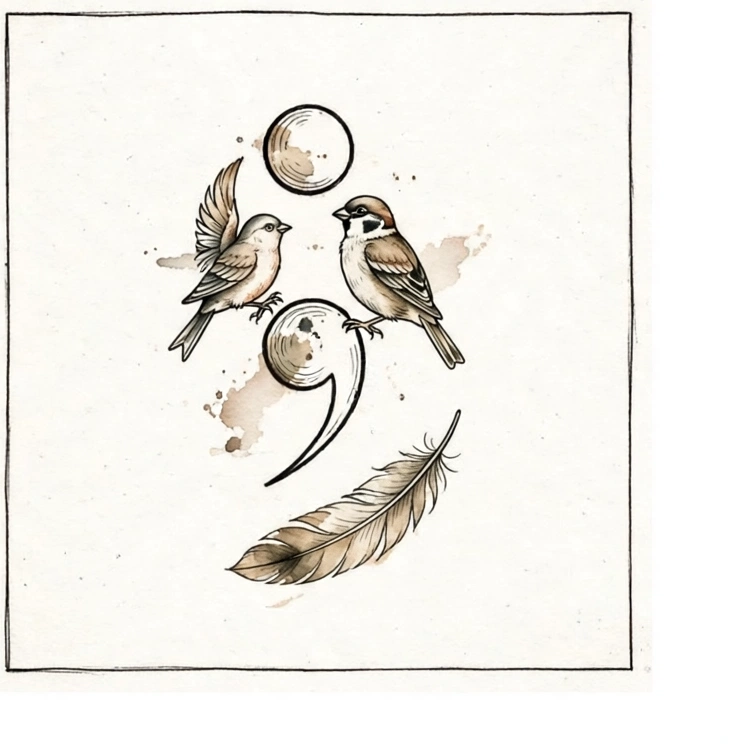
Birds and feathers bring in freedom and release — setting the weight down and rising anyway. The composition artists reach for most lets the semicolon’s comma sweep upward and dissolve into a feather, or has tiny birds scatter off the mark like the sentence itself sprouted wings halfway through. It’s the lightest, airiest version of this tattoo. The semicolon on a good day.
Semicolon With a Date or Infinity Symbol
Some stories come with a date stapled to them. The day of a decision. A recovery milestone. A birthday that matters, or the day somebody was lost — or found. Ink the date next to the mark and the tattoo becomes a bookmark in one specific chapter, the kind you can put your thumb on. The infinity loop does something different: it wraps the semicolon in “forever,” which is why pairs go for it — partners, siblings, parents and kids promising each other permanence.
The Green Semicolon
Green is the international colour of mental health awareness, so a green semicolon doesn’t do subtle. It states its allegiance right out loud. You’ll spot these on advocates, counsellors, nurses, teachers — people whose actual job is standing next to other humans during their hardest chapters, wearing the symbol where those humans can see it.
What the Colour of a Semicolon Tattoo Means
Nine out of ten semicolons I see are black. But colour is a dial, and plenty of wearers turn it. Here’s what the usual choices tend to say — tend to, mind you, because at the end of the day colour meanings in tattooing are personal first and traditional second:
- Black — the classic, and still my default recommendation. Timeless, readable at any size, deliberately plain. Black says the message doesn’t need decorating.
- Green — the colour of mental health awareness ribbons all over the world. Worn proudly, worn publicly, usually by advocates and professionals.
- Red accents — typically one small red heart doing duty as the dot. Red is love and lifeblood: this story continued because of love, or for it.
- Watercolor / rainbow — colour bursting back into a life that had gone grey for a while. In the butterfly version this celebrates creativity, pride, and joy coming back online.
- White ink — the whisper. Barely there in some lights, a white-ink semicolon is a message meant mostly for its owner. A secret you keep on your own skin.
- Purple and pink — the butterfly crowd’s favourites. In colour symbolism purple is dignity and transformation; pink is compassion, and learning to be gentle with yourself.
None of that is law. But if you want your little mark to speak slightly louder to people who know the language, colour is a lovely way to do it.
Semicolon Tattoos for Women and for Men
Let me save us both some time: the meaning is identical for everyone. Survival doesn’t check gender at the door. What differs is styling — walk into studios for long enough and clear patterns emerge in what each group asks for.
Women lean delicate, most often: fine-line semicolons on the wrist, collarbone, ankle or behind the ear, plus the decorative combinations — butterflies, flowers, hearts, script words. The overall effect is jewellery-like. A small, beautiful piece holding an enormous private meaning, which is precisely the appeal. Like a locket, except nobody can open it.
Men tend to go bold and minimal — a solid black semicolon, usually a touch larger, placed on the inner forearm, wrist, chest or the side of the neck, sometimes with an arrow, a date, or geometric dotwork worked in. The plainness isn’t a lack of imagination; it IS the point. A full stop, refused, stated like a fact and left there.
And both, more and more every year, book matching semicolons — couples, siblings, best friends, parent-and-child pairs — where the design only really completes when the two of them are standing next to each other. Hold that thought; there’s a whole section on pairs further down.
Tattoo Styles: How the Semicolon Is Drawn
Same two marks, wildly different tattoos depending on whose hand is holding the machine. These are the styles you’ll actually encounter:
- Fine line — hair-thin lines, barely any shading. This is the most requested style for the semicolon right now and it’s not close. Elegant, subtle… with one catch: ultra-fine lines can soften as they age, so a good artist will keep yours just bold enough to survive the years. If they suggest going slightly heavier than the Pinterest photo, listen to them.
- Minimalist — the design stripped to its bones. Two small marks, zero ornament. Maximum meaning, minimum ink.
- Blackwork / dotwork — solid black or stippled dots. Bolder, higher contrast, and honestly the best ager of the bunch.
- Watercolor — pigment that looks brushed and splashed on rather than outlined. Gorgeous in butterflies. But it ages differently from line work, so it needs an artist who genuinely specialises in it — not someone who’ll “give it a go.”
- Traditional / neo-traditional — fat outlines, saturated colour. Uncommon for this symbol, but when it’s done well it stops people mid-scroll.
- Realism — the route where the semicolon hides inside a photoreal butterfly or flower. The most technically demanding, and priced accordingly.
Size Guide: How Big Should a Semicolon Tattoo Be?
Semicolons live at the small end of the tattoo world. But “small” covers more ground than you’d think:
- Micro (under 1 cm) — behind the ear, on a finger, tucked into the wrist crease. Intimate. Discreet. And here’s the trade-off nobody warns you about at the consultation: micro tattoos blur faster than anything else, and your dot and comma need enough space between them to still read as a semicolon in ten years — not as a smudge with ambitions.
- Small (1–3 cm) — the sweet spot. This is what most people walk out with, and for good reason: crisp, quick to tattoo, goes almost anywhere, and holds its shape for decades.
- Medium (3–7 cm) — combination territory. Butterflies, florals, arrows and script words need this much room to breathe — and to stay readable as your skin does what skin does over time.
- Large (7 cm+) — now the semicolon is a centrepiece: inside a full butterfly back piece, woven through a floral sleeve, standing tall along the spine.
Here’s a small ritual worth stealing. A good artist will stencil the design at two or three sizes and let you live with each one for a few minutes. Take them up on it. Walk around. Catch it in the mirror sideways. The right size is the one that still looks right when you picture it on yourself at sixty.
Best Placements for a Semicolon Tattoo
Placement is half the meaning of this tattoo — I’d argue more than half. Some people want it where their own eyes land a hundred times a day. Others want it where almost nobody will ever see it. Both are correct. These are the spots people choose most, with straight talk on visibility and pain (rated out of 10, where 10 is full ouch).
Wrist — the classic
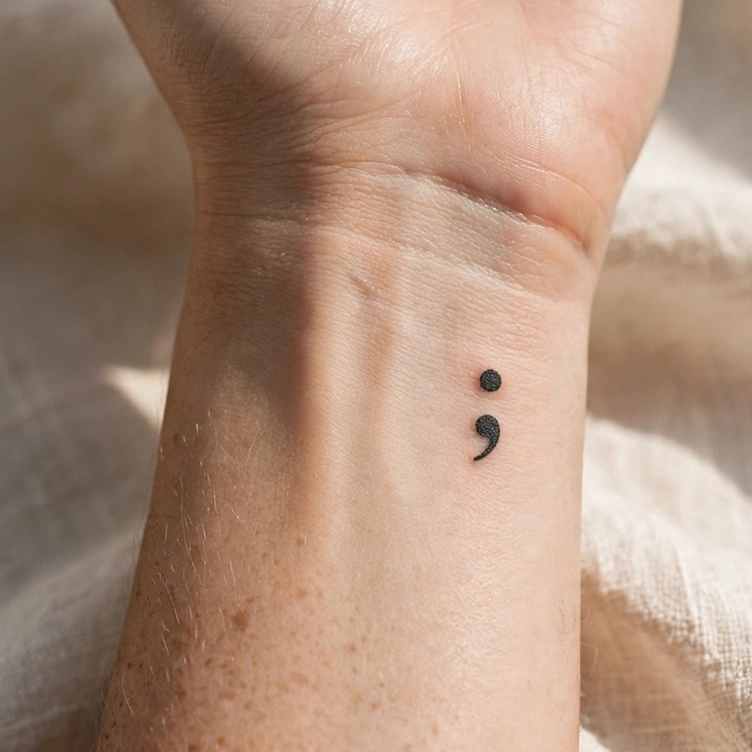
The inner wrist is where this whole movement began — those first Project Semicolon photos were pen-drawn semicolons on wrists — and it’s still the number one choice, year after year. The logic is the tattoo’s entire philosophy in one sentence: a reminder only works if you see it. Pain: 3/10. The skin’s thin, sure, but the design is tiny and you’ll be done in minutes. Visibility: high. For most wearers, that’s not a downside. That’s the point.
Inner forearm
A bit more canvas, a bit more privacy than the wrist. Combination designs — butterflies, florals, arrows — sit beautifully along the inner forearm, and it’s one of the least painful spots on the whole body (2/10). If you want your semicolon to be art as well as symbol, give it this wall to hang on.
Behind the ear
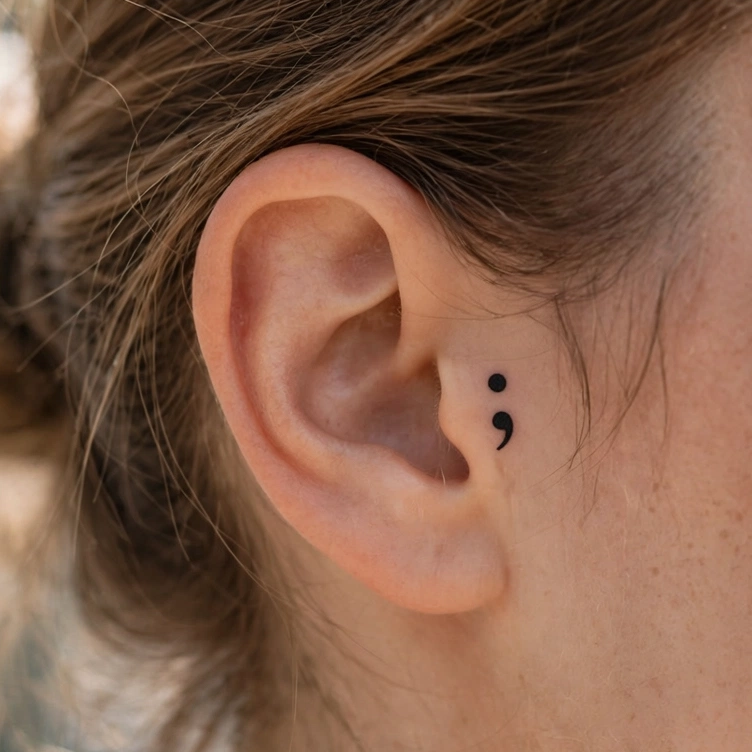
The introvert’s placement. Hidden by hair, revealed only when you choose. A micro semicolon back here isn’t a statement you make to the world — it’s a secret you carry. Pain: 4/10, and weirdly, the needle isn’t the strangest part. It’s the buzzing. The machine is right next to your ear and you will hear every second of it.
Ankle
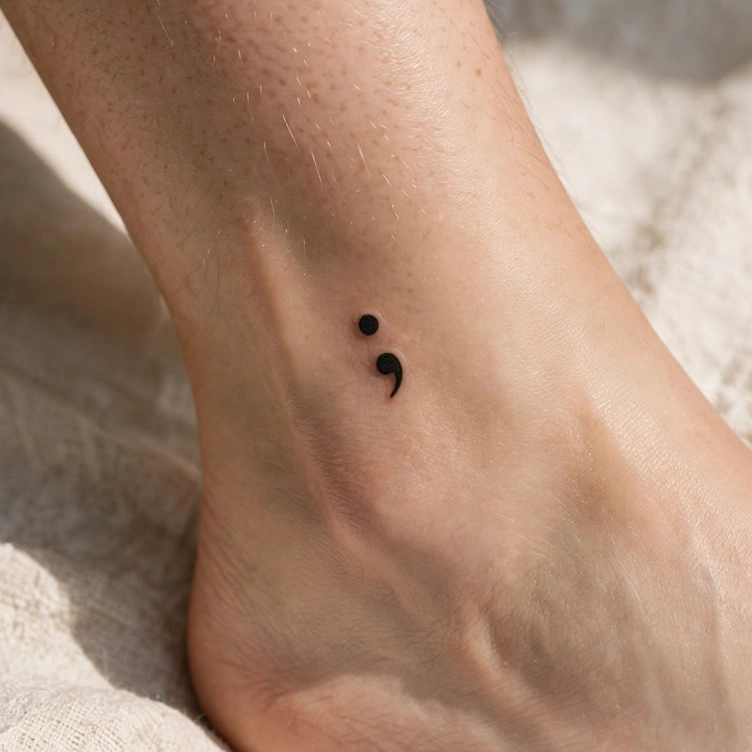
Subtle, elegant, and easy to show or hide with nothing more technical than a shoe choice. The ankle is a favourite for the tiniest fine-line versions and for matching pairs. Pain: 5/10 — the skin is thin and the bone sits right there, so it stings noticeably more than the wrist despite being exactly as small. Life’s not fair.
Finger
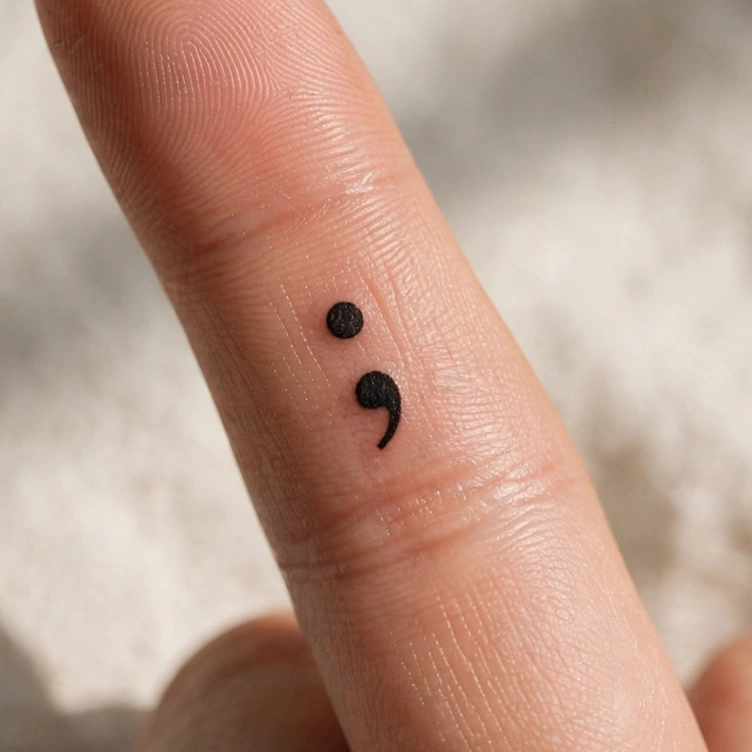
Side or top of a finger: minimal and bold at the same time, basically a ring you can’t take off. Now the honest bit, because artists will tell you this too — finger skin regenerates fast and works hard for a living, so finger tattoos fade and blur faster than anywhere else and typically need a touch-up within a year or two. Go in knowing that and it’s a great placement. Pain: 5/10, and over quickly.
Collarbone, ribs and spine
The private placements. Close to the heart, often chosen for memorial pieces and for the bigger butterfly versions. The collarbone (4/10) frames a small design elegantly along its line — it honestly looks made for it. The ribs (7/10) are among the most sensitive real estate you own; breathe through it, keep sessions short, no heroics. The spine (6/10) suits tall work — a semicolon under a lotus, or a whole sentence in script running down your back.
Back of the neck and foot
The nape (4/10) hides under hair or a collar and shows when you want it to — a favourite with anyone whose job keeps tattoos covered. Top of the foot (6/10) is tender but lovely with tiny designs. Just don’t plan on breaking in new shoes that week. Trust me on this one.
Does a Semicolon Tattoo Hurt?
Honest answer? A bit. Briefly.
Most semicolon tattoos take five to twenty minutes of actual needle time, which puts them among the gentlest tattoos in existence. People describe it as a scratch, or a bee-sting buzz — not deep pain — and small black designs skip shading entirely, which is where most tattoo discomfort lives anyway.
What actually decides your experience comes down to three things: the placement (the ratings above are your map), your sleep and food — ask any tattooist, a rested, fed client feels half the pain of a hungover one who skipped breakfast — and your artist’s hand. Experienced fine-line artists are famously light. Nervous? Say so out loud. Good studios would rather give you a breather than watch you white-knuckle the chair in silence. And look — there’s something fitting in it, too. A few chosen minutes of sting, for this particular symbol? That’s a very semicolon thing to endure.
How Much Does a Semicolon Tattoo Cost?
Good news first: this is one of the most affordable tattoos there is. But “small” doesn’t mean “free,” and first-timers are often surprised to learn why — reputable studios charge a minimum fee that covers the sterile setup, a fresh needle, and their time, even for a ten-minute piece. That’s the floor doing its job. Typical ranges (US studios; city and artist move these around):
- Tiny plain semicolon: $50–$100 (usually the shop minimum)
- Semicolon with heart, arrow or word: $60–$120
- Semicolon butterfly, fine line (small–medium): $100–$250
- Watercolor or detailed butterfly: $200–$400+
- Matching pair (two people, small designs): often priced as two minimums — ask, because some studios quietly do a pair rate
What moves the number: size, detail, colour, how awkward the placement is, and how good the artist is. My advice hasn’t changed in years — choose the artist, not the discount. Pound for pound, this is the biggest meaning per square centimetre in all of tattooing, and it deserves lines that still read as a semicolon in twenty years. Oh, and tip your artist. It’s customary, and small tattoos like these are how plenty of artists pay the rent between the big pieces.
Healing Timeline: What to Expect
A semicolon heals faster than a big piece — smaller wound, shorter story — but it follows the same journey as every tattoo. Here’s the honest version, the one artists wish every client read before panicking at day four:
- Day 1–2: It’s a fresh wound and it acts like one — redness, slight swelling, warmth. It’ll weep a little clear fluid and ink. Completely normal. Keep the artist’s wrap on for as many hours as they told you, then hands off.
- Day 3–5: The surface dries out and tightens. Thin scabs or flakes form over the lines and the whole thing starts looking dull. Welcome to the “ugly phase.” It has fooled more first-timers into a panic-text to their artist than I can count. Don’t be one of them.
- Week 2: Peeling, properly now — like a sunburn flaking off. And oh, the itching arrives. Pat it. Moisturise it. Do not scratch it, and do not pick the flakes, because a flake pulled too early can take ink out with it.
- Week 3–4: The surface looks healed but might carry a slight shine — that’s new skin still settling in. Lines can look a touch soft at this stage. They sharpen up as the final layers finish.
- Month 2–3: Fully settled. Only now do you judge the final result — and book any touch-up your artist offered. Many include one free within a few months, so ask before the window closes.
Aftercare rules that actually matter
- Wash gently twice a day with lukewarm water and mild, fragrance-free soap — clean hands only. No cloths, no sponges, no scrubbing.
- Pat dry with a clean paper towel, then a thin layer of whatever ointment or moisturiser your artist recommended. Greasy and thick is worse, not better. Your tattoo needs to breathe, not swim.
- No swimming, no baths, no saunas, no shared gym equipment against it while it peels. Showers are fine.
- Keep it out of direct sun while it heals — and after it heals, sunscreen. UV is the number one fader of fine lines, full stop.
- Loose clothing over it for the first few days. Fabric grinding against a fresh tattoo is painful and genuinely damaging.
- The itching is healing. Slap it gently or moisturise it. Never, ever scratch.
For the complete routine with day-by-day pictures, see our tattoo aftercare guide.
Choosing the Right Artist
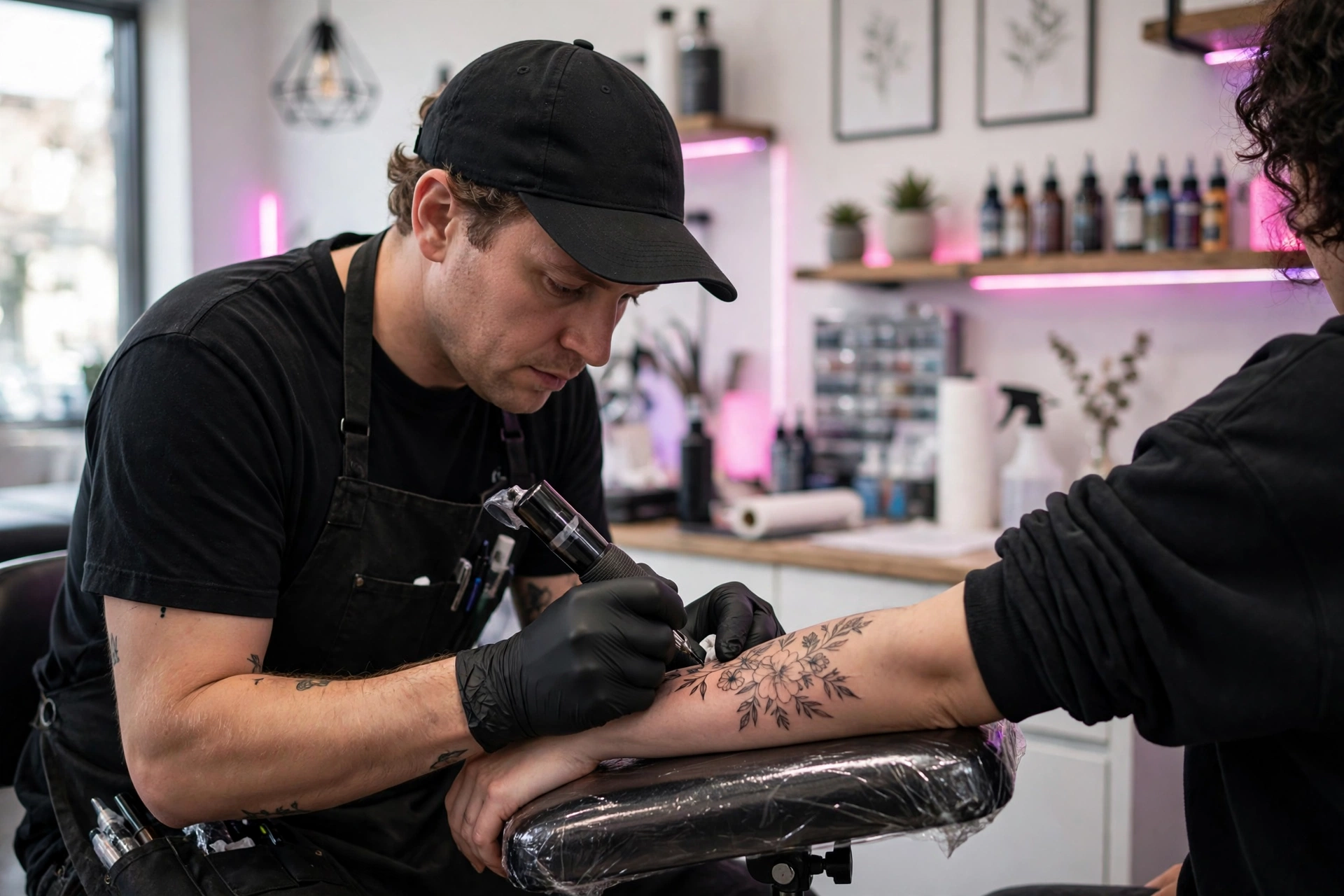
A semicolon looks like the simplest tattoo on earth. That’s exactly why it’s unforgiving — two marks, and absolutely nowhere for a wobble to hide. When you’re picking who does yours:
- Look at healed work, not just fresh work. Fresh fine lines always photograph crisp. Healed photos — two months old at least — tell the truth.
- Check their small work specifically. An artist who’s brilliant at huge realism pieces may genuinely not enjoy tiny minimal ones, and vice versa. Portfolios don’t lie about this.
- Ask about the touch-up policy before you book. Especially for fingers and feet. Especially.
- Bring reference pictures (this page isn’t a bad start) and let the artist redraw the design in their own hand instead of tracing somebody else’s exact tattoo.
- Trust the stencil moment. They’ll place a temporary stencil first. Look at it in the mirror. Move the limb around. Live with it for two full minutes. Shifting it 3 mm now costs nothing. Shifting it later costs a laser.
Mistakes to Avoid
- Going too small. The number one regret with this tattoo, and I don’t think it’s close. Ink spreads microscopically under your skin over the years; a 4 mm semicolon today can be an elegant little blob by your forties. If your artist advises going up a size, let them. They’ve seen the ten-year versions. You haven’t.
- Choosing by price. A cheap studio cutting corners on sterility or skill is the most expensive mistake in tattooing. You will pay for it later, one way or another.
- Copying someone’s exact tattoo. Take inspiration freely — that’s how tattooing works. But lift a design line-for-line, especially a memorial piece, and something’s off. Good artists insist on a redraw. Let them.
- Sun and swimming in week one. The two fastest ways to wreck a healing tattoo. Both completely avoidable. Avoid them.
- Getting it on impulse at your lowest moment. This one matters, and it’s specific to this symbol. The semicolon celebrates a decision to continue — and in my experience it means the most when it marks that decision made with a clear head. A commemoration, not a cry for help. If tonight is the crisis, please talk to someone tonight — a person you trust, or your country’s crisis line — and book the tattoo for a morning you can actually celebrate it.
Not Ready for Forever? Temporary Semicolons
Remember how this movement started? With a drawing. Pen on skin. So if permanent isn’t where you are yet, you’ve got honourable options, and there’s zero shame in any of them: draw it on with a fine pen, the original Project Semicolon way. Wear a temporary tattoo for a few weeks and test the placement properly. Try jagua, the semi-permanent stain, if you want something that survives showers. Plenty of people live with the drawn version for months before deciding — and a few have told me the ritual of drawing it fresh each morning turned out to be the reminder itself. Sometimes the draft is the point.
Matching Semicolon Tattoos
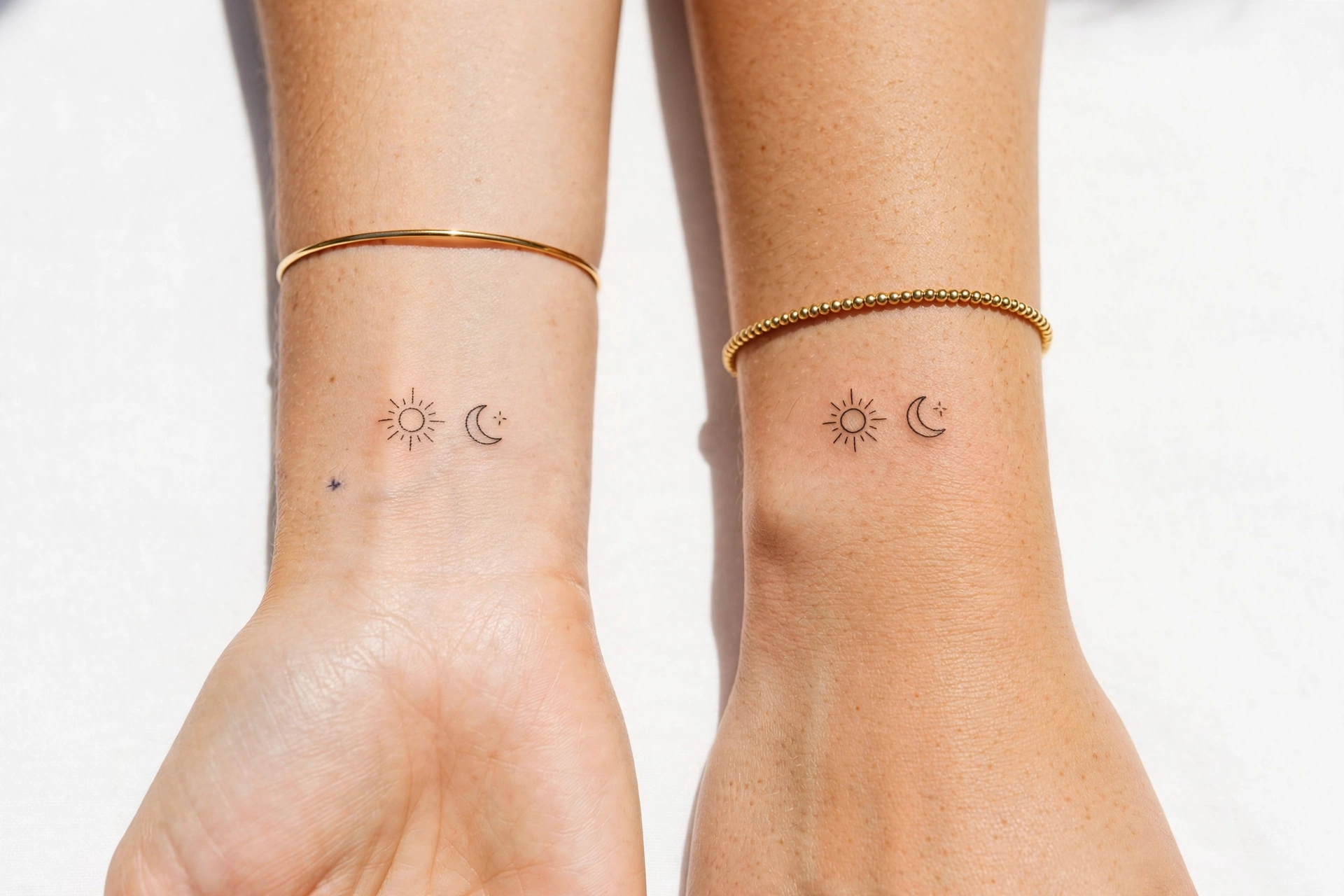
A word for the pairs, because this design does something almost no other tattoo can: it turns two people into one sentence. Same mark, both wrists (or ankles, or collarbones), and the meaning lives in the space between them. Parents book these with kids who struggled. Friends who physically carried each other through a year get them. People who met in recovery get them. If you’re planning matching semicolons, do yourselves one favour — same artist, same day, back to back if you can manage it. The shared appointment becomes part of what the tattoo remembers.
Frequently Asked Questions
What does a semicolon tattoo mean in one line?
“My story isn’t over.” The wearer reached a point where life could have ended, or broken — and chose to continue. That’s it. That’s the line.
What does a semicolon butterfly tattoo mean?
Continuation plus transformation. The semicolon says the story went on; the butterfly says the person was changed by what they went through. Survival that turned into growth.
Is the semicolon tattoo only about mental health?
It began there, and it’s still rooted there — but no. People also wear it for addiction recovery, after illness, after grief, or simply as a general badge of “I kept going.” The wearer gets to define it. Nobody else.
Do I have to explain my semicolon tattoo to people?
Never. “It’s personal” is a complete sentence, and here’s the lovely part: people who recognise the symbol almost never ask. They just nod.
Does a semicolon tattoo hurt?
Mildly, and not for long. Most take under twenty minutes of needle time. Bony spots — ankle, ribs, fingers — sting the most. Forearm and wrist? Genuinely gentle.
How much does a small semicolon tattoo cost?
Usually the studio’s minimum charge — roughly $50–$100 in the US for the plain design. Butterfly and colour versions run more.
Can a semicolon tattoo be covered up or removed later?
Yes to both. Small black tattoos are among the easiest to cover with something new and among the fastest to fade under laser — often just a few sessions. Though in a decade around studios, I’ve noticed something: this is the one tattoo people almost never want gone.
What is the best placement for a first semicolon tattoo?
Inner wrist or inner forearm, and I’ll defend that recommendation anywhere. Low pain, easy healing, and visible to you every day — which is the entire job of a reminder.
Can men wear the semicolon butterfly?
Of course they can. Men usually draw it bolder — blackwork wings, geometric lines — but the symbol belongs to anybody whose story includes transformation. End of discussion.
Why do people get the semicolon tattoo on September 10 or in April?
September 10 is World Suicide Prevention Day, and studios all over run semicolon charity events around it, donating the proceeds to mental health causes. Getting yours then stitches your story into a worldwide day of remembrance and hope — thousands of people, same day, same tiny mark.
Your Story Isn’t Over
There’s a reason this little mark has out-travelled nearly every tattoo trend of the last decade. Trends decorate. This one testifies. Two specks of grammar, arranged as a pause where an ending was scheduled, carrying the most human sentence there is: it was almost over — and then it wasn’t.
So if you get one, get it well. An artist whose healed fine lines you’ve actually admired, not just their fresh photos. A size that will still read clearly in twenty years. A placement your own eyes will find on the hard days, because that’s what it’s for.
And if you’re in the hard chapter right now — please reach out to someone you trust, or a support helpline in your country, today. Reaching out isn’t the end of a story either. It’s a semicolon.
Explore more symbols in our tattoo meanings library, find your next idea among our tattoo ideas, and if your semicolon is already inked — we’d be honoured if you told us its story in the comments.
Leave a Reply